Submental fullness — what most people call a double chin — has three well-established non-surgical treatments competing for the same patients: an injectable, a cooling device, and a laser fiber. They’re often discussed as interchangeable options, but they work through entirely different mechanisms, and that difference matters more than most comparison articles acknowledge. This is a look at what each one actually does, where each one falls short, and how to think about which fits a given case.
What Each Treatment Actually Does
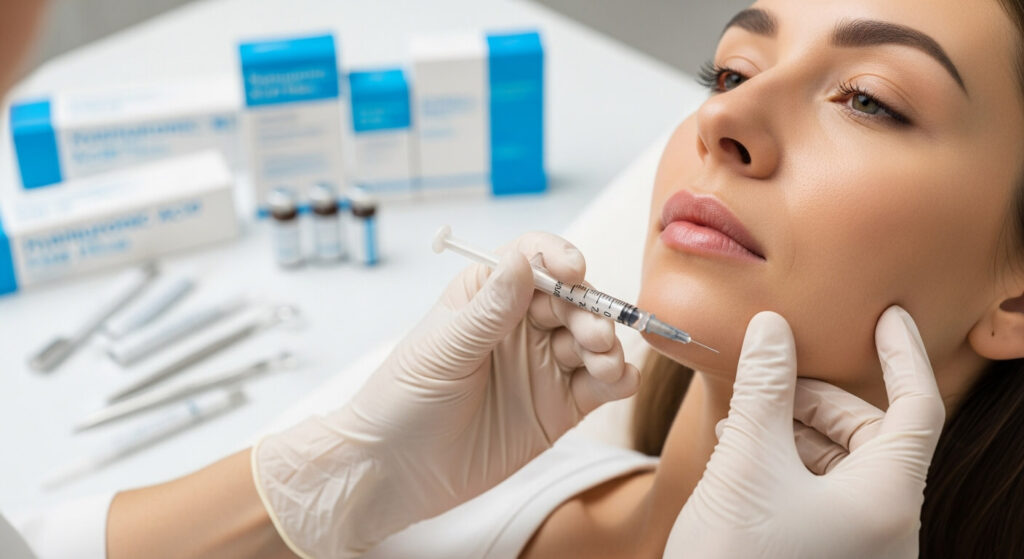
Kybella is an FDA-approved injectable containing synthetic deoxycholic acid, a compound that occurs naturally in the body and helps break down dietary fat. Injected directly into the submental area, it destroys the membranes of fat cells in the treated tissue. Once those cells are destroyed, the body clears them through the lymphatic system over the following weeks, and they don’t regenerate. Most patients need between two and four treatment sessions spaced roughly a month apart to reach their desired result, though some protocols call for as many as six.
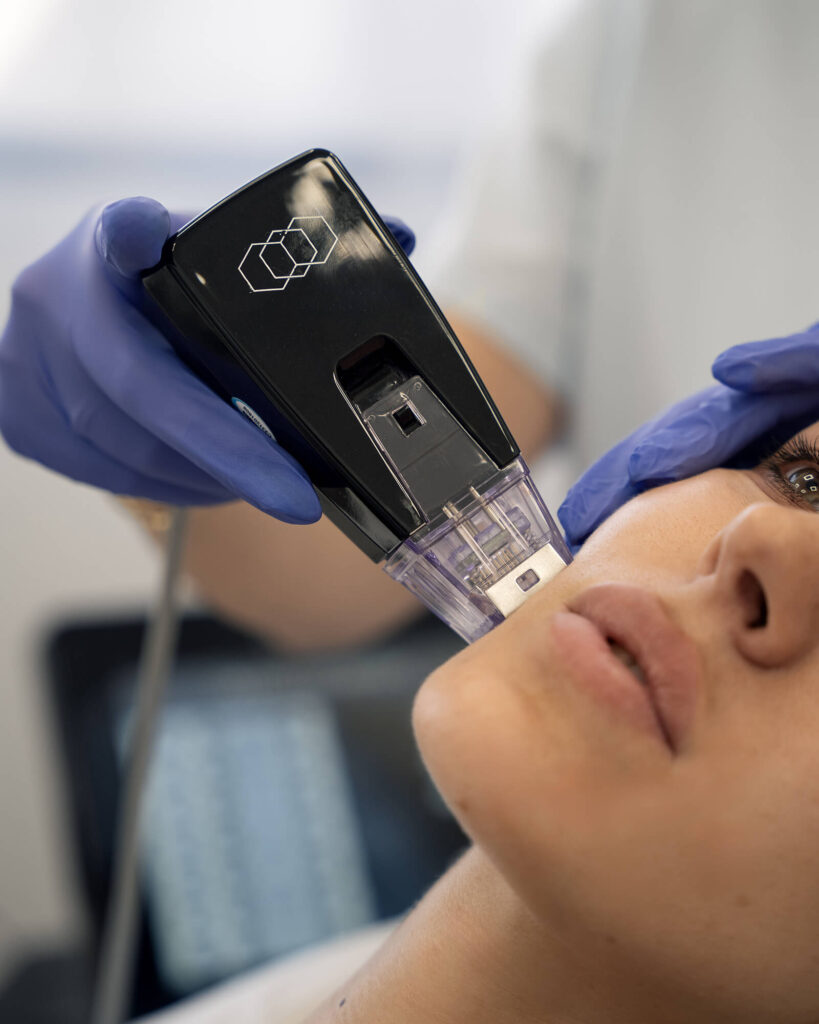
CoolSculpting uses controlled cooling — cryolipolysis — to target fat cells without affecting the skin or surrounding tissue. An applicator is placed over the treatment area and cools the fat to a temperature that damages fat cells while leaving skin, nerves, and muscle unaffected. The damaged cells are gradually cleared by the body over the following weeks to months. For the chin specifically, one to two sessions are typically sufficient given the smaller treatment area compared to the abdomen or thighs.
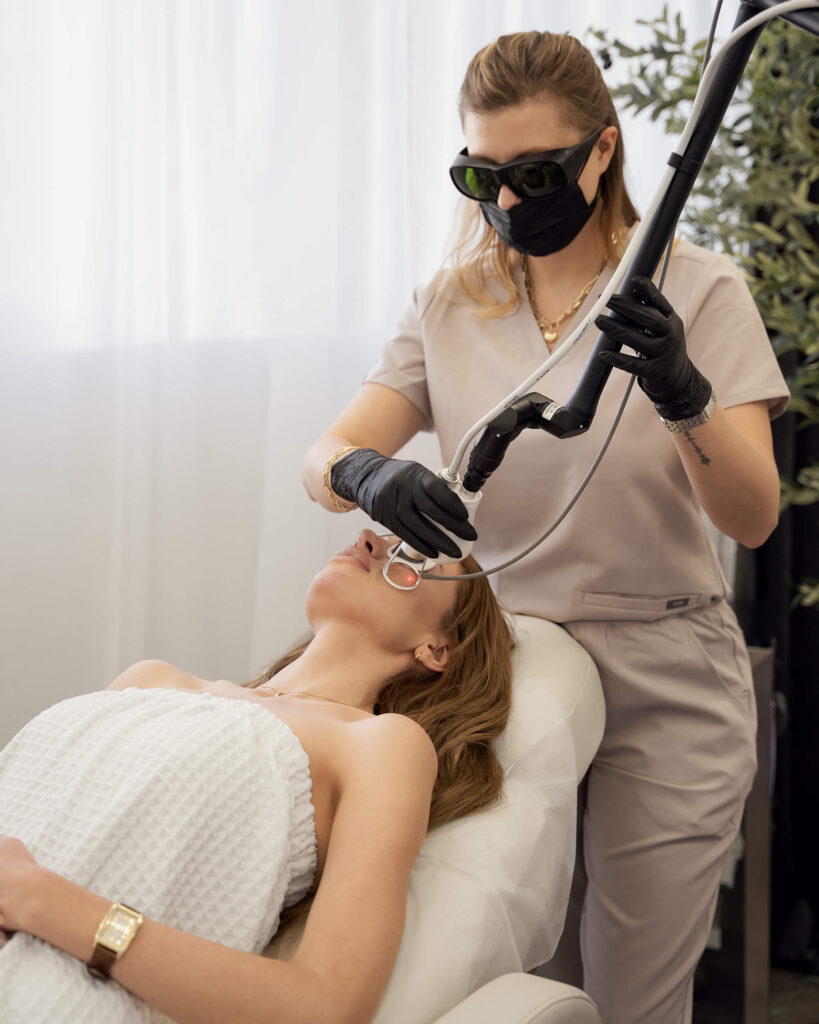
Endolift works differently from both. A thin optical fiber is inserted beneath the skin and delivers laser energy directly into the subcutaneous tissue. This does two things simultaneously: it disrupts and contracts fat in the treated area, similar in outcome to what Kybella and CoolSculpting achieve through different means, while also producing thermal contraction and long-term collagen stimulation in the skin above it. It’s typically performed as a single session.
The Distinction That Actually Matters: Fat vs. Fat-Plus-Skin
This is the part of the comparison that gets glossed over in most “which is better” content, and it’s the single most important factor in choosing between these three options.
Kybella and CoolSculpting are fat-reduction treatments. They do not tighten skin. For a patient with submental fat and skin that still has good elastic quality, removing the fat alone produces a cleaner, more defined result, because the skin retracts naturally to fit the new, smaller volume underneath it.
For a patient with submental fat and skin that has already lost some elasticity — which becomes more common with age and is often present in exactly the population most bothered by a double chin — removing fat alone can leave the overlying skin looser than before, since there’s now less volume underneath to fill it out. This is a well-documented limitation of both Kybella and CoolSculpting, not a rare edge case, and it’s the reason some patients who’ve had fat-reduction treatments end up looking for a skin-tightening solution afterward rather than being fully satisfied with the fat-reduction result on its own.
Endolift’s simultaneous effect on fat and skin is precisely what addresses this gap. For patients where skin laxity is part of the picture — not just fat volume — treating both at once, rather than fat alone and hoping the skin keeps up, tends to produce a more complete result.
Cost and Sessions Compared
| Treatment | Typical Cost Per Session | Sessions Typically Needed | Approximate Total Cost |
| Kybella | $1,200 – $1,800 | 2 – 4 (sometimes up to 6) | $2,400 – $7,200+ |
| CoolSculpting (chin) | $700 – $1,400 | 1 – 2 | $700 – $2,800 |
| Endolift (Ervin Beauty, face) | $2,800 | 1 | $2,800 |
The per-session price of Kybella and CoolSculpting can look more approachable than Endolift’s single-session cost, but the total cost of a full treatment course tells a different story. Kybella in particular, given that most patients need multiple sessions to reach their goal, often ends up at or above Endolift’s price once the full course is factored in — before accounting for the fact that it doesn’t address skin quality at all.
CoolSculpting for the chin specifically tends to be the least expensive of the three when only one or two sessions are needed, which makes it a reasonable option for patients whose only concern is fat volume with no skin laxity involved.
Downtime and Recovery Differences
Kybella involves noticeable swelling that can last longer than either of the other two options — commonly four to six weeks for the swelling to fully resolve, though it becomes progressively less severe with each session. Bruising, numbness, and temporary difficulty with certain facial movements are recognized possible effects, and in rare cases, injection too close to a nerve controlling lower lip movement can cause temporary asymmetry in the smile. This is uncommon when performed by an experienced injector but is a real consideration worth discussing at consultation.
CoolSculpting generally involves the mildest recovery of the three. Some redness, numbness, and mild swelling are typical immediately after treatment, resolving within days for most patients. A rare but recognized side effect, paradoxical adipose hyperplasia — where the treated fat visibly increases rather than decreases — occurs in a small percentage of patients and is worth understanding before treatment.
Endolift involves more initial downtime than CoolSculpting but generally less prolonged swelling than Kybella — typically three to five days of visible swelling and possible bruising, consistent with recovery elsewhere on the face. Because the treatment also affects the skin, there is a longer results timeline (months, not weeks) even though the visible downtime resolves faster than Kybella’s swelling does.
Treatment Area: Chin Only vs. Chin, Jawline, and Neck
Kybella and CoolSculpting are both approved and marketed specifically for the submental area — the pocket of fat directly under the chin. Neither is designed to address the jawline border or the neck below it, which means a patient whose concern extends beyond the immediate chin pocket into jawline softening or neck laxity is only getting part of the picture addressed by either treatment.
Endolift, by contrast, is typically performed across a broader zone — the face treatment includes the chin and jawline together, and the Face & Neck option extends the same procedure into the neck. For patients whose double chin is really one part of a broader pattern of lower-face softening, rather than an isolated pocket of fat with otherwise well-defined surrounding tissue, this broader treatment zone is often the more relevant factor than the fat-reduction mechanism itself.
This is worth raising directly during a consultation: a patient assessed only for “chin fat” might be a reasonable Kybella or CoolSculpting candidate in isolation, while the same patient assessed for the fuller picture of jawline and neck quality might be better served by a treatment that addresses all of it together.
Who Each Treatment Actually Suits
Kybella tends to make the most sense for: patients with a well-defined pocket of submental fat, good skin elasticity, and no interest in a laser procedure or an appetite for multiple injection sessions spaced over several months.
CoolSculpting tends to make the most sense for: patients with mild to moderate submental fullness, good skin quality, and a preference for the lowest-downtime option among the three, particularly when only one or two sessions are likely to be needed.
Endolift tends to make the most sense for: patients where skin laxity is part of the concern alongside fat — a loose, hanging quality to the under-chin area rather than just fullness — or patients who prefer a single-session treatment to a multi-session injectable protocol, or those who want the jawline and neck skin addressed at the same time as the fat itself.
None of these are absolute rules. A thorough consultation that actually examines skin quality, fat volume, and the patient’s priorities is a better guide than a generic recommendation based on which treatment is trending.
Can These Be Combined?
Sequencing rather than choosing exclusively is a legitimate approach for some patients. A patient with significant fat volume and only mild skin laxity might start with Kybella or CoolSculpting to reduce fat volume, then assess whether the remaining skin quality warrants Endolift afterward. In practice, though, Endolift’s ability to address fat and skin in the same session often makes it the more efficient option when both concerns are present from the start, avoiding a longer, multi-treatment sequence.
Combining treatments in either order should be discussed directly with a provider who can assess the specific balance of fat and skin laxity involved, rather than defaulted to as a standard protocol.
How Much Provider Skill Actually Matters
These three treatments are not equally sensitive to who performs them.
CoolSculpting is largely device-driven — placement of the applicator matters, but the treatment itself is automated once positioned correctly, which is part of why results tend to be relatively consistent across providers using the same equipment.
Kybella requires more judgment. The injector needs an accurate understanding of the anatomy in the submental area, including the location of the nerve that controls lower lip movement, to place injections effectively while minimizing the risk of the rare but recognized complications mentioned above.
Endolift sits at the more demanding end of this spectrum. The fiber is moving beneath the skin in real time, and the provider is making continuous judgments about depth, direction, and energy level throughout the procedure. Outcomes with Endolift vary more between an experienced provider and an inexperienced one than outcomes with CoolSculpting typically do, which is worth factoring into a decision that’s often framed purely around treatment type rather than who’s performing it.
A Note on Before-and-After Photos
All three of these treatments are heavily represented in before-and-after marketing, and it’s worth applying some scrutiny to what those photos are actually showing. Lighting, camera angle, neck position, and the time elapsed between the two photos all affect how dramatic a result looks, independent of how effective the treatment actually was.
For Kybella and CoolSculpting specifically, a meaningful portion of the visible change in many marketed photos comes from fat volume reduction alone, photographed at an angle that also happens to flatter any incidental change in posture or neck extension between the two shots. For Endolift, a fair before-and-after comparison should be taken at the same angle, under the same lighting, at the three-to-six-month mark when the fuller result has actually developed — not at two weeks, when much of what’s visible is still resolving swelling rather than treatment effect.
Asking a provider how their before-and-after photos are captured, and at what point post-treatment, is a reasonable question that a transparent practice should be able to answer without deflecting.
Frequently Asked Questions
Yes, in the sense that the fat cells destroyed by Kybella don’t regenerate. Significant weight gain afterward can still cause remaining fat cells in the area to expand, but the treated cells specifically are gone for good.
The chin is one of the areas CoolSculpting is specifically FDA-cleared for, and results are generally consistent with what’s seen elsewhere on the body — gradual fat reduction over the weeks following treatment, most visible at around two to three months.
This depends heavily on existing skin quality. Patients with good elasticity typically see the skin retract smoothly. Patients with some existing laxity may notice the skin looks looser once the underlying fat volume is reduced, which is the scenario where a skin-tightening treatment like Endolift is often considered afterward.
This is difficult to assess accurately without a hands-on evaluation, since the two often coexist and can look similar in photographs. A provider examining the area in person — checking how the skin behaves when gently pinched and stretched versus how much volume is present at rest — gives a far more reliable answer than self-assessment.
No single treatment is universally superior — each is well-suited to a specific combination of fat volume, skin quality, and patient preference around sessions and downtime. The honest answer to “which is best” is “it depends what’s actually causing your specific double chin,” which is exactly what a proper consultation is meant to establish before recommending any of the three.
Endolift for the chin and jawline is offered as part of Endolift — Laser Lifting (Face) at Ervin Beauty. For a broader look at how the treatment works beyond submental fat, our complete guide to Endolift Laser covers the full range of what it addresses, and our breakdown of what Endolift costs and what drives the price goes further into how single-session pricing compares to multi-session alternatives.