Two of the most requested treatments at Ervin Beauty work through completely different mechanisms, yet they’re increasingly booked together rather than separately. Morpheus8 remodels skin using radiofrequency energy delivered through micro-needling. PRP and PRF work by concentrating the body’s own growth factors and reintroducing them directly into the skin. On their own, each produces meaningful results. Together, they tend to produce something noticeably better than the sum of the two – and understanding why explains a lot about how modern regenerative aesthetics actually works.
Two Different Mechanisms, One Shared Goal
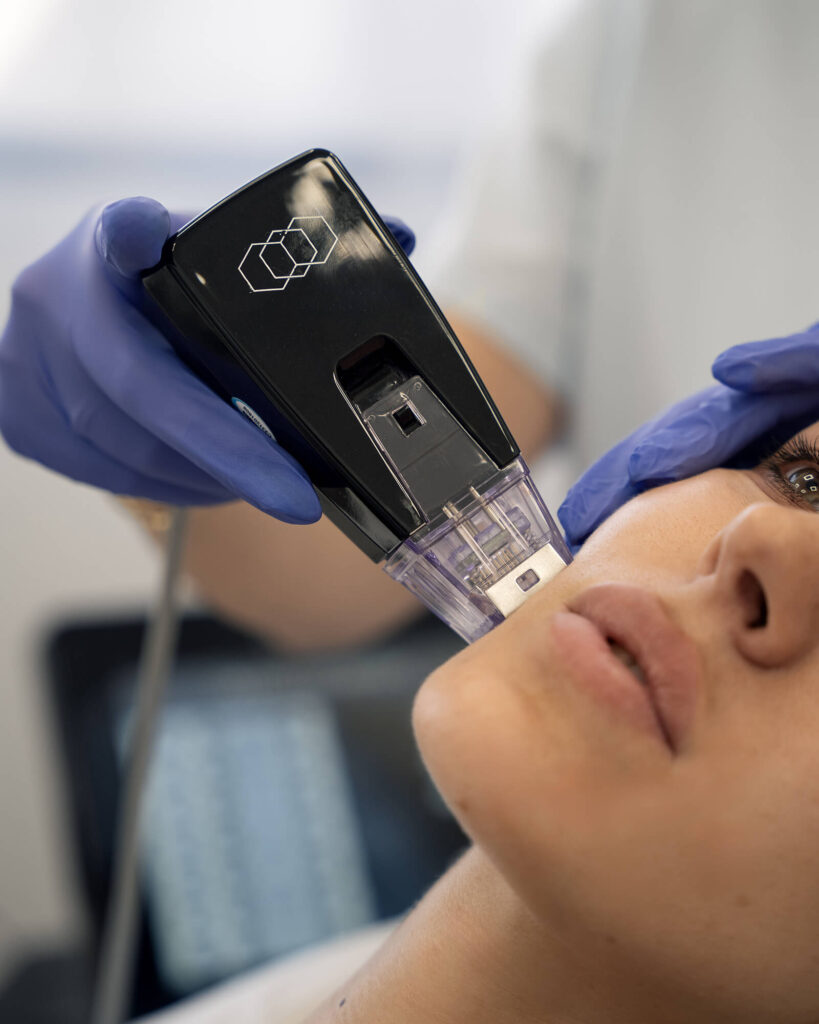
Morpheus8 creates thousands of controlled micro-injuries at multiple depths in the skin, then delivers radiofrequency energy through those same channels to remodel tissue and stimulate new collagen production. Our full breakdown of how Morpheus8 works covers the RF mechanics and depth settings in detail, so this piece focuses on what happens when it’s paired with a second regenerative input rather than repeating that ground.
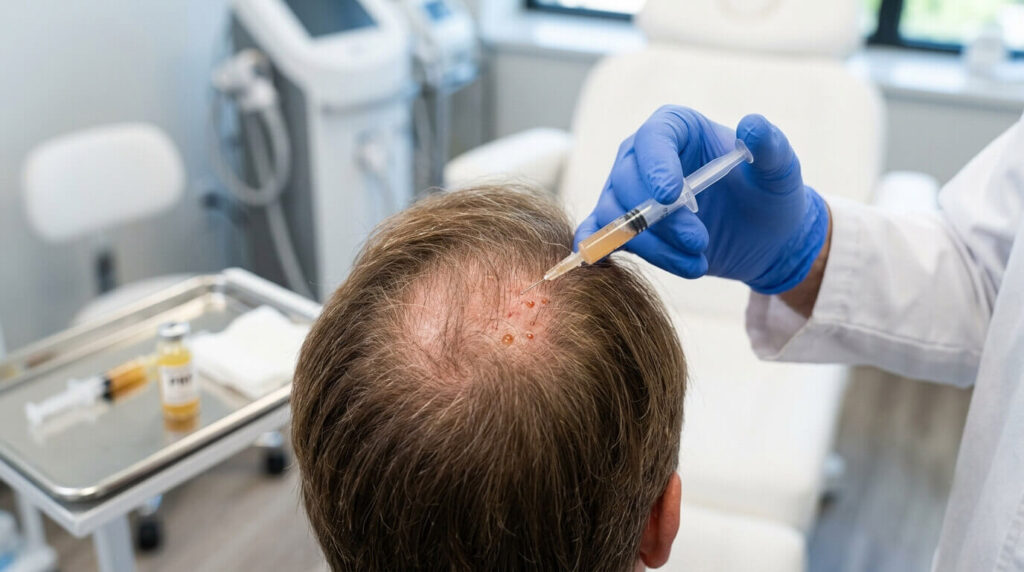
PRP and PRF take an entirely different route to a similar destination. Rather than creating controlled damage to trigger a healing response, they add concentrated biological material – drawn from the patient’s own blood – directly into the skin, supplying the growth factors and signaling proteins that drive tissue repair and renewal. It’s less “trigger a response” and more “supply the raw materials for one.”
Both approaches ultimately push the skin toward the same outcome: more collagen, better texture, improved tone. But they arrive there through different biological pathways, which is exactly why layering them tends to outperform using just one.
What PRP and PRF Actually Are
PRP, or platelet-rich plasma, is prepared by drawing a small amount of the patient’s blood and spinning it in a centrifuge to separate and concentrate the platelets, which carry growth factors responsible for tissue repair, collagen stimulation, and wound healing. Once concentrated, this plasma is reintroduced into the skin, where those growth factors go to work supporting the skin’s own regenerative processes.
PRF, or platelet-rich fibrin, is a further refinement of the same concept. It’s processed differently – spun at a lower speed for a longer duration, without anticoagulants – which preserves a fibrin matrix that releases growth factors more gradually over time rather than all at once. In practice, this often means a longer-acting effect from PRF, since the fibrin scaffold continues delivering signaling proteins to the tissue over days rather than releasing everything immediately.
Neither is universally “better” than the other. PRP tends to work faster and is well suited to areas where a quicker regenerative boost is the goal. PRF’s slower, sustained release makes it particularly useful for skin quality work and under-eye rejuvenation, where a gentler, longer-developing improvement is often preferable to an immediate, more dramatic change.
Why the Combination Works Better Than Either Alone
The micro-channels created by Morpheus8’s needling aren’t just a delivery mechanism for radiofrequency energy – they’re also, briefly, an open pathway into the skin’s deeper layers. Applying PRP or PRF immediately after a Morpheus8 session takes advantage of that window, allowing growth factors to reach deeper into the tissue than topical application alone could ever achieve.
This timing matters. The channels created during Morpheus8 begin closing within a short period after treatment, so the sequence – Morpheus8 first, PRP or PRF applied right after while the skin is still open to it – is what makes the combination meaningfully different from simply doing both treatments on separate days. Done in the right order and within the right window, the RF energy handles structural remodeling at depth while the growth factors accelerate and support the healing response at the surface and in the upper dermis simultaneously.
The practical result reported by patients and observed clinically is a combination of faster visible recovery from the Morpheus8 downtime and a more complete, longer-lasting improvement in texture and tone than either treatment alone typically produces over the same timeframe.
Who This Combination Suits Best
This pairing tends to make the most sense for patients already considering Morpheus8 for texture, laxity, acne scarring, or early collagen loss, who want to maximize the return on that treatment rather than needing convincing to add PRP or PRF as a wholly separate concept. It’s also a natural fit for patients who’ve had Morpheus8 before and are looking for a way to extend or deepen their results on a subsequent round.
It’s less necessary – though not harmful – for patients using Morpheus8 for a very specific, limited concern where the standalone treatment already addresses the goal fully. Not every Morpheus8 session needs an add-on; the decision comes down to what the patient is hoping to achieve and how much they want to invest in a single visit versus building results gradually across a treatment series.
What a Combined Session Actually Looks Like
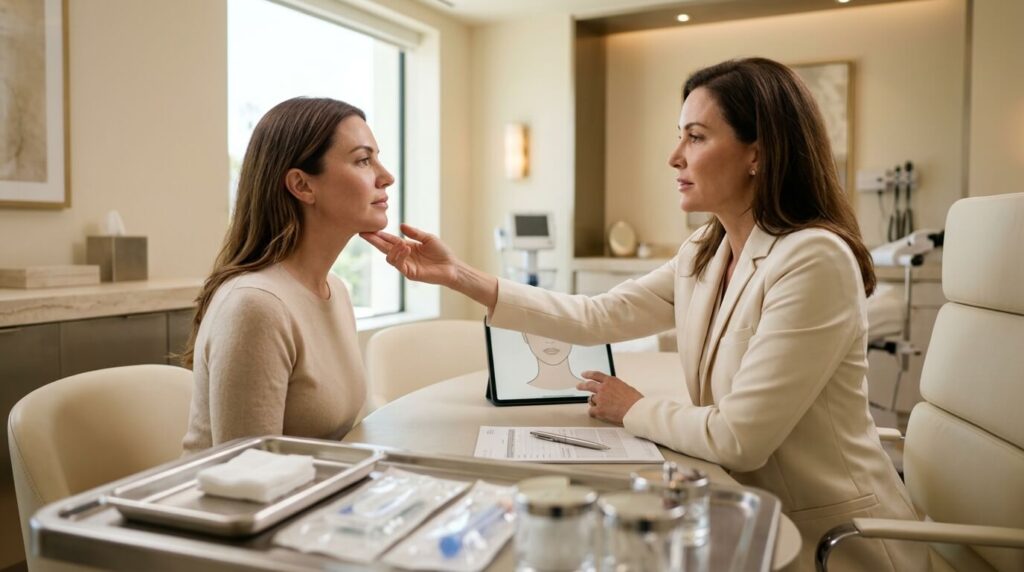
The appointment starts the same way a standalone Morpheus8 treatment would: topical numbing, then the RF microneedling pass across the treatment area at depths determined by the specific concern being addressed. Immediately afterward, blood is drawn and processed – the centrifuge cycle for PRP takes several minutes, PRF a bit longer – and the resulting concentrate is applied or micro-injected into the same area while the channels created by the Morpheus8 pass are still open.
The full appointment typically runs longer than a standalone Morpheus8 session, largely due to the blood processing step, but it’s still generally completed within a single visit rather than requiring a separate return trip. This is one of the more common questions from first-time patients – the answer is that the timing works because it has to; the biological window that makes the combination effective doesn’t allow for the PRP or PRF portion to be scheduled for another day.
Recovery and Aftercare
Downtime after the combined treatment resembles standalone Morpheus8 recovery, with redness and mild swelling for the first day or two, sometimes followed by minor pinpoint scabbing as the micro-injury sites heal. Adding PRP or PRF doesn’t typically extend this recovery window meaningfully, since the growth factors work with the healing process already underway rather than adding a separate recovery burden.
One practical consideration worth planning around: redness and mild swelling in the first 24 to 48 hours can be more visible than patients expect, which matters if there’s an event, a shoot, or travel on the calendar. Scheduling the combined treatment with at least three to five days of buffer before anything where appearance matters is a habit worth building into the plan rather than an afterthought.
Sun protection matters more than usual during this window as well, since freshly treated skin is more reactive to UV exposure while the healing channels are still closing. Diligent SPF use for the first week or two protects the investment in the treatment and helps the results develop as intended rather than being complicated by pigment changes from sun exposure during healing.
Summary
Morpheus8 and PRP or PRF work through different biological mechanisms – controlled remodeling through RF energy versus direct delivery of concentrated growth factors – which is exactly why combining them, in the right sequence and within the right timing window, tends to produce a more complete result than either treatment alone. PRF’s slower, sustained release suits skin quality and under-eye work particularly well, while PRP’s faster action fits situations calling for a quicker regenerative boost. The combination requires a single, slightly longer appointment rather than separate visits, with recovery closely resembling standalone Morpheus8 downtime.
FAQ
No. It’s an optional addition that tends to enhance results, particularly for skin quality and texture goals, but standalone Morpheus8 remains effective on its own for many concerns.
PRP releases growth factors more quickly and suits a faster regenerative boost. PRF releases them more gradually through a fibrin matrix, making it well suited to skin quality and under-eye work where a longer, gentler improvement is preferred.
The blood draw and centrifuge processing add roughly 15 to 30 minutes beyond a standalone Morpheus8 session, but the full treatment is still completed in one visit.
Generally not. Downtime closely resembles standalone Morpheus8 recovery – redness and mild swelling for one to two days – since the growth factors support existing healing rather than creating an additional recovery process.
A buffer of three to five days is a reasonable minimum, since redness and mild swelling in the first 24 to 48 hours can be more visible than expected.